Rustproofing
Rustproofing with Fluid Film — protection that never dries out and creeps into seams and cavities.
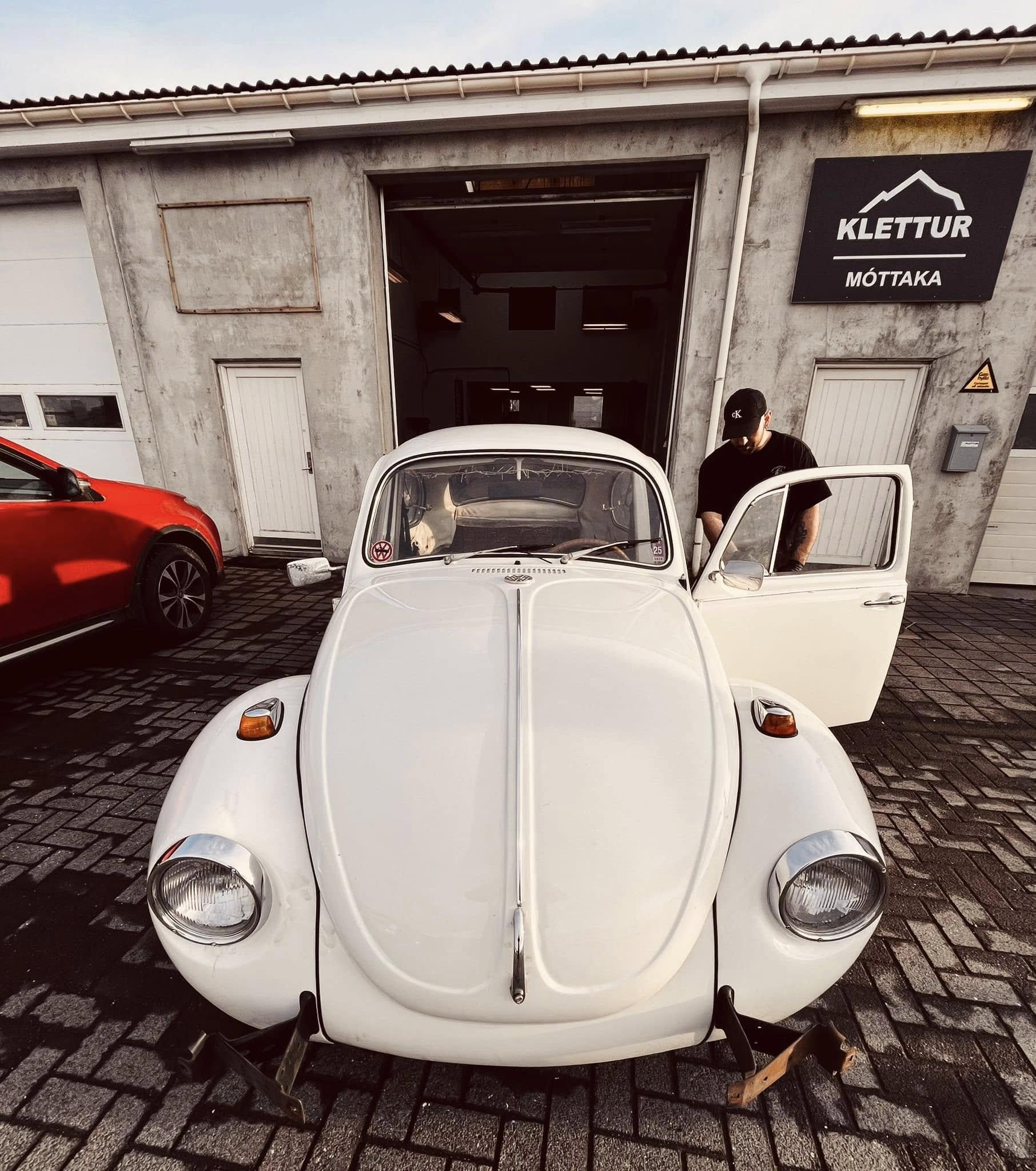
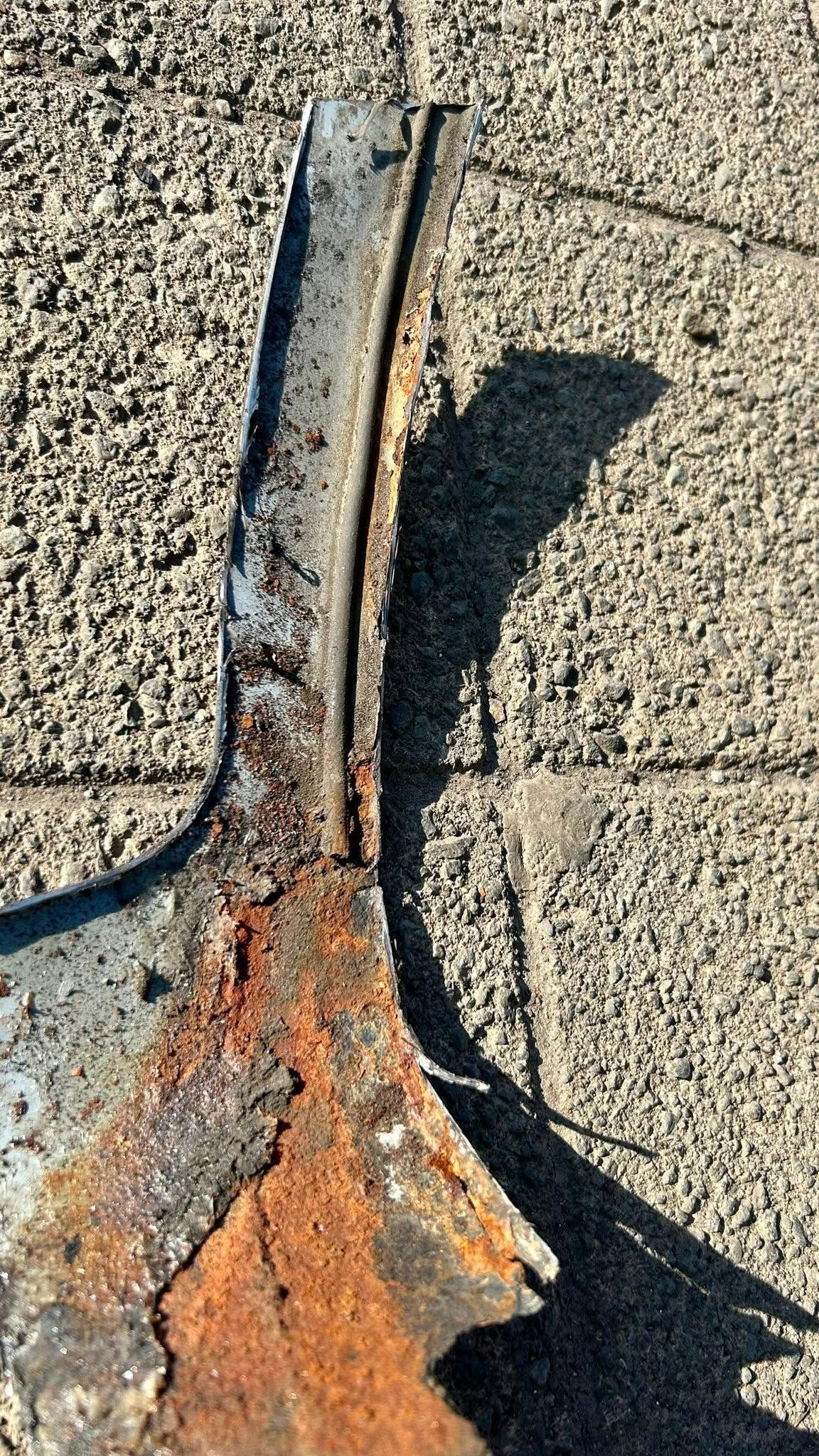
An Icelandic winter is hard on a car: salt on the roads, slush thrown up into cavities, and a car that stands outside all day and is rarely bone dry. Rustproofing does not stop time, but it buys years.
We rustproof with Fluid Film, a lanolin-based protection that never dries out. It goes onto the underside, chassis and seams and into the cavities, and from there it creeps on into places you cannot see into.
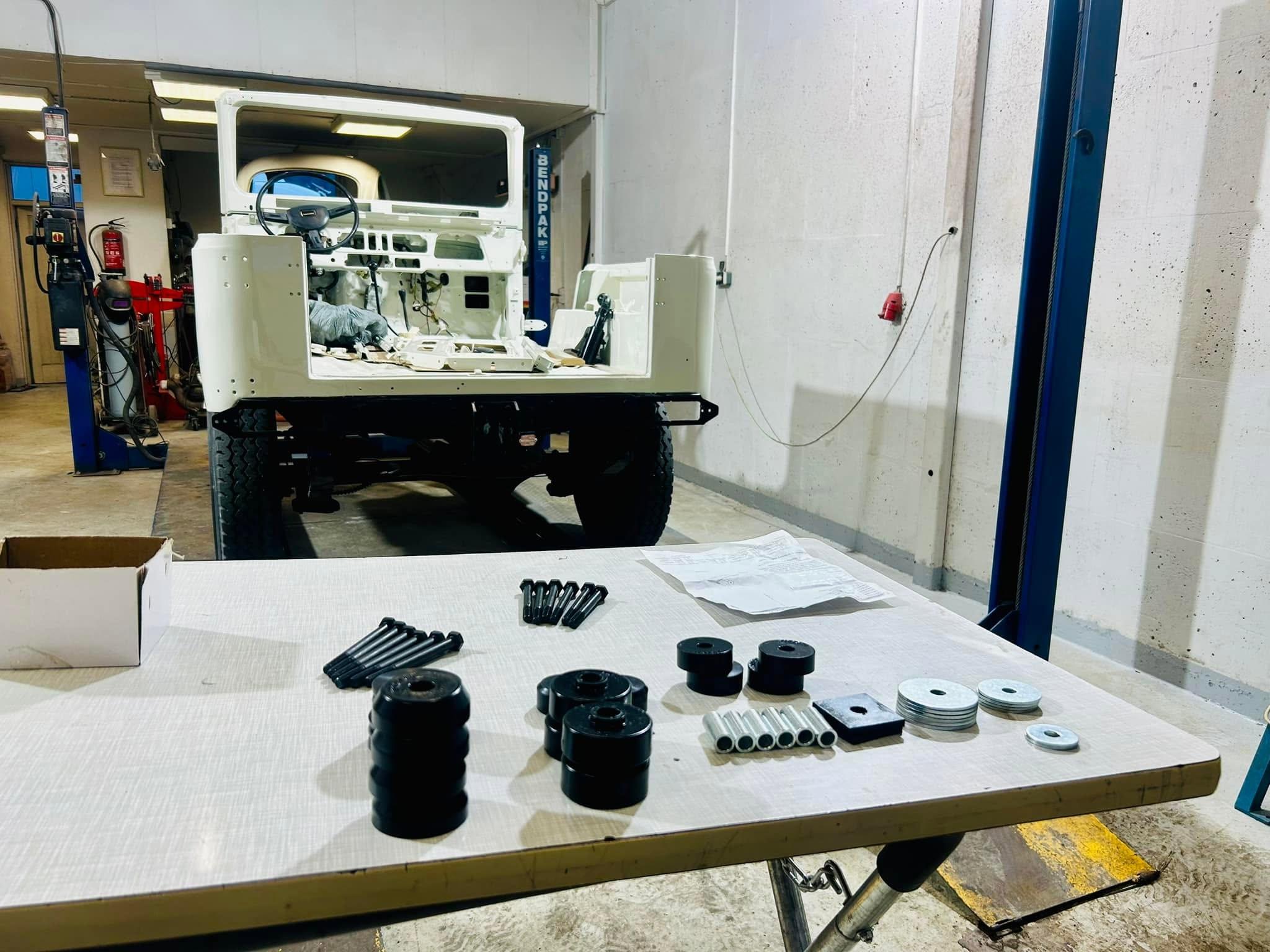
Rustproofing can be done on its own, but the best moment is right after bodywork. Once a sill, a rocker panel or a wing has been opened, the cavities that are normally sealed are reachable, clean and dry. That is when the car gets protected from the inside too, not only the underside you can see.
Fluid Film — the protection we use
Fluid Film is made from lanolin (wool fat), and it is the same product used on construction machinery, farm equipment, and snow-clearing and salt-spreading equipment — machines that stand in salt and wet all winter.

No solvents
Nothing evaporates from it, so the coating neither dries out nor hardens — it stays active.
Creeps into seams
It works its way into joints, seams and cavities that are hard to reach, pushes moisture off the steel and clings to it.
Keeps moisture and salt out
The film forms a barrier that moisture and salt cannot get through, and it stops rust on contact.
Gentle on the car
It does not harm paint, plastic or rubber.
Made for winter
It does not dissolve in water, resists washing off and protects in sub-zero temperatures too.
A thin coat is enough
A thin coat gives long-lasting protection. If it ever needs removing, a pressure wash or degreaser takes it off.
How the rustproofing is done
- 1
Inspection
The car goes up on the lift and we go over the underside, chassis, sills and cavities. You get a price range before any work starts.
- 2
Cleaning
Loose rust and flaking surface are removed back to sound steel and the surface is left to dry. If rust has gone right through, it is repaired first — rustproofing does not close a hole.
- 3
Fluid Film applied
Paintwork and parts that should not get product on them are masked off. Then a thin coat goes onto the underside, chassis, seams and mountings, and into the cavities and sills where rust often starts from the inside.
- 4
Follow-up
The protection wears fastest where grit and salt hit. It is worth having it looked at regularly and topped up where it has worn thin.
What the job involves
- Fluid Film: solvent-free lanolin protection that never dries out
- Underside, chassis, cavities, seams and mountings
- Loose rust cleaned off and surface dried before protection
- On its own or right after bodywork